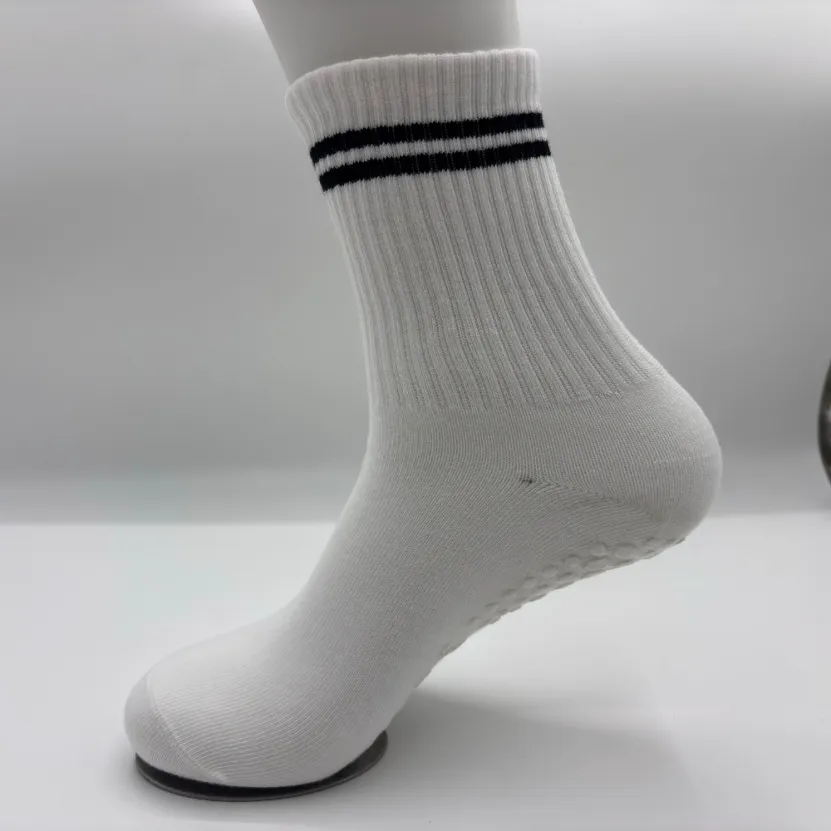

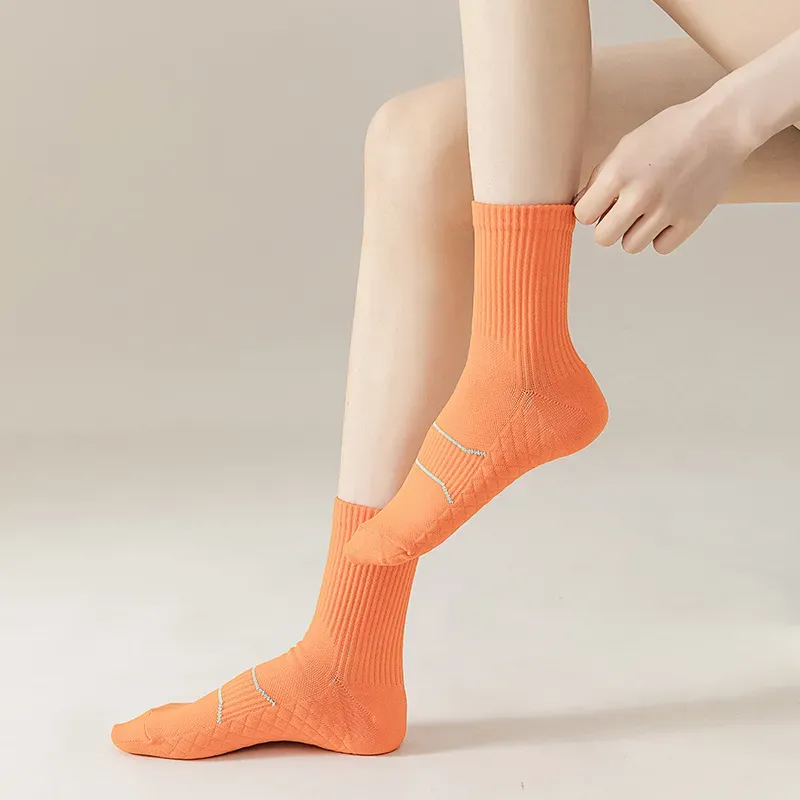
There is nothing worse than a pair of socks that bunches up in your toes or slides down your ankle halfway through the day. While we spend a lot of time finding the perfect pair of shoes, how to choose the right sock size is often an afterthought. But getting the fit right is crucial for comfort, preventing blisters, and maintaining overall foot health.
Whether you are looking for athletic socks for running, cozy wool blends for winter, or socks for wide feet, this guide will help you find your perfect match every time.
Why Sock Size Matters More Than You Think
Socks are not truly "one size fits all." Wearing the wrong size can lead to:
- Blisters and Chafing: Excess fabric creates friction, while socks that are too tight restrict blood flow.
- Poor Circulation: Tight elastic bands can leave deep indentations and hinder circulation, which is especially dangerous for those needing diabetic socks.
- Discomfort: A bunched-up toe box can be incredibly distracting during work or exercise.
Step 1: How to Measure Your Feet for Socks
The most accurate way to find your size is to measure your feet physically. Shoe sizes can vary by brand, but your foot's dimensions remain constant.
- Prepare: Place a piece of paper on a hard floor against a wall.
- Stand: Stand on the paper with your heel lightly touching the wall. (Do this at the end of the day when your feet are slightly swollen for the most accurate fit).
- Mark: Mark the longest point of your foot (usually the big toe).
- Measure: Measure the distance from the edge of the paper to the mark in inches or centimeters.
Pro Tip: Always measure both feet. If one foot is larger, use that measurement to select your size.
Step 2: Understanding Sock Size Charts
In the US, numerical sock sizing (like "9-11" or "10-13") typically refers to the length of your foot in inches, not your shoe size. However, most brands use letter sizing (S, M, L) based on shoe size ranges.
Below is a general industry-standard conversion chart to help you navigate men's sock sizes and women's sock sizes.
General Men's Sock Size Chart
| Sock SizeUS Men's Shoe SizeEU Shoe SizeUK Shoe Size |
| Sock SizeUS Men's Shoe SizeEU Shoe SizeUK Shoe Size | |||
| Small (S) | 5 – 7 | 38 – 40 | 4.5 – 6.5 |
| Medium (M) | 7 – 9 | 40 – 42 | 6.5 – 8.5 |
| Large (L) | 9 – 12 | 42 – 46 | 8.5 – 11.5 |
| X-Large (XL) | 12 – 15 | 46 – 49 | 11.5 – 14 |
General Women's Sock Size Chart
| Sock SizeUS Women's Shoe SizeEU Shoe SizeUK Shoe Size |
| Sock SizeUS Women's Shoe SizeEU Shoe SizeUK Shoe Size | |||
| Small (S) | 4 – 6 | 35 – 37 | 2 – 4 |
| Medium (M) | 6 – 9 | 37 – 40 | 4 – 7 |
| Large (L) | 9 – 12 | 40 – 43 | 7 – 10 |
Note: Always check the specific brand's size chart, as "One Size Fits Most" usually covers women's sizes 5-10 or men's sizes 6-12.
Step 3: Choosing the Right Fit for Your Foot Type
Beyond length, the shape of your foot dictates which socks will feel best.
Socks for Wide Feet
If you have wide feet or high arches, standard socks might feel constricting. Look for socks for wide feet that feature a higher spandex content (5-10%) for better stretch.
- Wide Toe Box: Seek out designs that allow your toes to splay naturally rather than squeezing them into a tapered point.
- Non-Binding Tops: Ensure the cuff is loose enough not to dig into your calf.
Seamless and Diabetic Socks
For sensitive skin or diabetes, friction is the enemy. Seamless socks eliminate the ridge at the toes that often causes blisters. Diabetic socks also feature non-binding tops to promote healthy blood flow and are often made from moisture-wicking materials like bamboo to keep feet dry.
Step 4: Matching Sock Type to Activity
The "right" size also depends on what you are doing.
- Running and Athletic Socks: These often have compression elements. If you are between sizes, sizing up can prevent toe cramping during long runs.
- Dress Socks: These are thinner and should fit snugly to avoid bunching inside leather shoes.
- Hiking/Boot Socks: These are thicker. Ensure you have enough room in your boot to accommodate the extra cushion without cutting off circulation.
FAQ: Common Sock Sizing Questions
Q: What size socks do I need if I wear a size 10 shoe?
A: Generally, a men's US size 10 falls into the Large (L) or 10-13 sock size category. For women, a size 10 is typically a Large (L).
Q: How do I measure my foot for socks?
A: Stand on a piece of paper with your heel against a wall, mark your longest toe, and measure the length in inches. This number is your US sock size.
Q: Are compression socks sized differently?
A: Yes. Compression socks rely on graduated pressure, so you often need to measure the circumference of your ankle, calf, and sometimes thigh to get the correct medical-grade fit.
Final Thoughts
Finding the perfect pair starts with knowing your numbers. By taking a moment to measure your feet and understanding the difference between a standard crew sock and a wide toe box sock, you can say goodbye to blisters and hello to all-day comfort.
Ready to upgrade your drawer? Browse our collection of perfectly fitted socks today!